Understanding Retirement Transitions in Estonia
A practical overview of what to expect when transitioning from work life, including financial planning basics and emotional preparation strategies.
What Retirement Means Today
Retirement isn't what it used to be. Your parents probably had a simple formula: work for 40 years, collect a pension, and settle into a quiet life. It's different now. You're likely healthier, more active, and you've got decades ahead of you — not just a decade or two. That's both exciting and a bit overwhelming.
In Estonia, the average retirement age sits around 64, but people are living well into their 80s and 90s. That's a long stretch of time to figure out. The transition from work to retirement involves more than just money. It's about identity, daily structure, social connections, and purpose. Thing is, most people spend more time planning a two-week holiday than they do planning for this major life shift.

Getting Your Finances Straight
Let's start with the practical stuff. You'll need to understand your pension — how much you're getting, when it starts, and how it might change. Estonia's pension system works in three pillars. The first pillar is your state pension from the government. The second pillar is your voluntary occupational pension scheme. The third is personal savings and investments.
Don't panic if this sounds complicated. Here's what you need to do: First, request your pension statement from the Social Insurance Board. They'll show you exactly what you've earned. Second, sit down with someone who knows — that could be a financial advisor or even a trusted accountant. Third, make a simple budget. Write down your monthly expenses. Be honest about it. Include everything: rent or mortgage, utilities, food, medicine, hobbies, travel.
Important Disclosure
This article provides educational information about retirement transitions in Estonia. It's not personal financial advice. Pension systems, tax implications, and financial planning vary significantly based on your individual circumstances, employment history, and personal situation. Before making any major financial decisions, we strongly recommend consulting with a qualified financial advisor or tax professional who understands your specific situation.
Preparing Emotionally & Psychologically
Here's something nobody really talks about: the emotional side of retirement hits harder than people expect. Work gives you structure. You know when you're waking up, where you're going, who you're seeing. You've got a role, an identity. "I'm a teacher," "I'm an engineer," "I'm a nurse." Suddenly, that's gone. You're not that anymore. Some people feel liberated. Others feel lost.
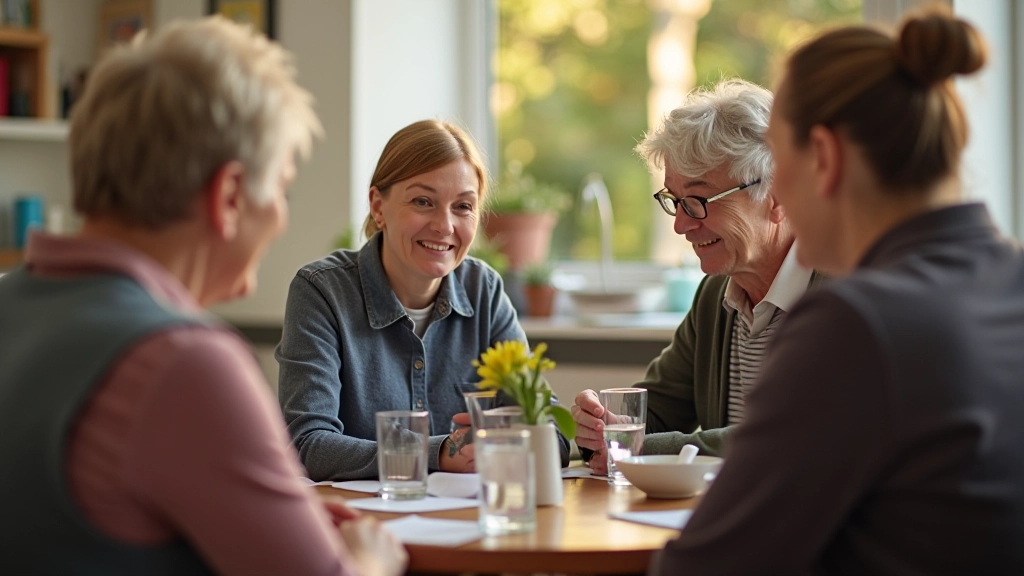
It's normal to feel a mix of excitement and uncertainty. Studies show that people who transition best into retirement are those who've already built interests outside of work. Do you have hobbies? Friendships that aren't work-based? Things you genuinely enjoy doing? If not, now's the time to start exploring. Join a club. Take a class. Volunteer. These connections become your new structure.

Key Transition Steps
1
Request your pension statement from the Social Insurance Board at least 6 months before your planned retirement date.
2
Create a realistic budget accounting for your actual monthly expenses including healthcare, hobbies, and occasional travel.
3
Develop interests and social connections before you retire — don't wait until day one to figure out what you'll do with your time.
4
Talk to people who've already retired about their experiences — both the good and the challenging parts.
Health & Wellness Considerations
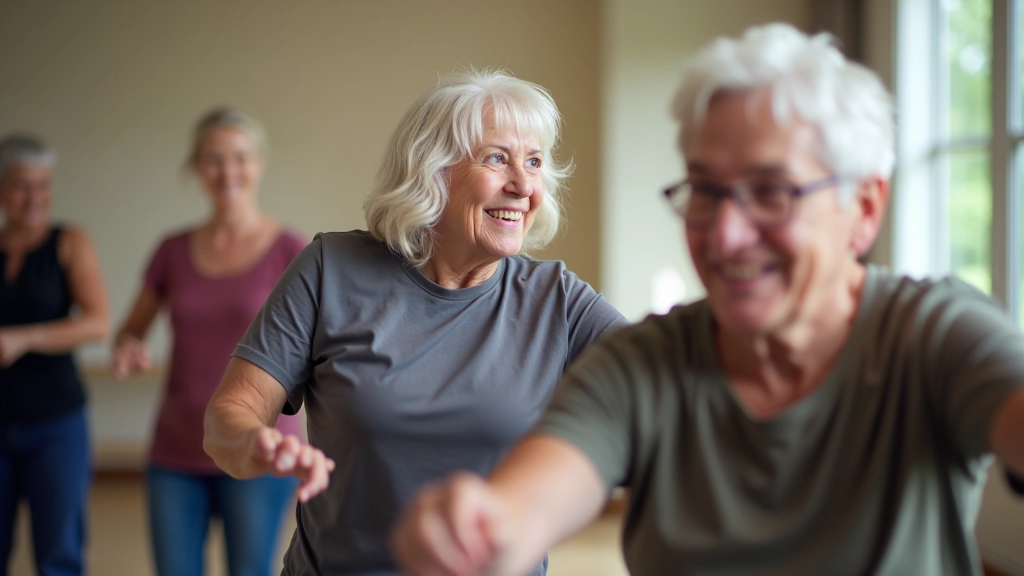
Retirement is an excellent time to focus on your health. You've got the time you didn't have before. Think about preventive care — regular check-ups, dental visits, eye exams. These things matter more now because you're planning for decades ahead. In Tartu and other Estonian cities, there are wellness programs specifically designed for retirees. These include fitness classes, health seminars, and group activities that keep you both physically and mentally active.
Don't underestimate the mental health side. Staying mentally sharp is just as important as staying physically fit. Reading, learning new skills, solving puzzles, staying engaged with community — these all matter. Some retirees find that online courses or local hobby groups provide both mental stimulation and social connection.
Making Your Transition Smooth
Retirement transitions don't happen overnight, and they're rarely simple. You're moving from one phase of life to another, and that takes preparation and thought. The good news? You've got time to prepare. Start now with the financial basics. Build your non-work interests and relationships. Think about your health and wellness. Connect with others going through similar transitions.
Estonia offers real support systems for retirees — from pension planning resources to wellness programs to community engagement opportunities. Whether you're in Tallinn, Tartu, Pärnu, or anywhere else in the country, there are people and programs designed to help you make this transition successfully. Your retirement can be fulfilling, active, and genuinely enjoyable. It just takes some thoughtful planning and the willingness to try new things.
Explore Related Topics