
Understanding Retirement Transitions in Estonia
A practical overview of what to expect when transitioning from work life, including financial planning, social adjustments, and finding new purpose.
Tartu's wellness landscape for active seniors has really expanded over the past few years. Whether you're looking to stay fit, meet like-minded people, or just get out of the house regularly, there's something worth exploring here. We've put together a practical guide to what's actually available right now — the programs that exist, where to find them, and what makes each one worth considering.
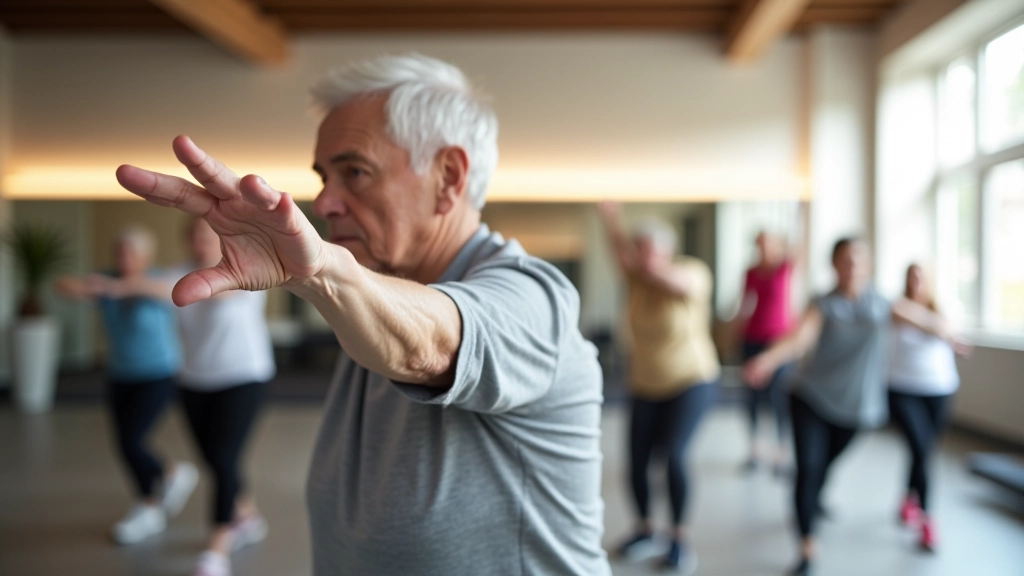
Tartu's main community centers — Kaseke, Raatuse, and the Annelinn sports center — all run regular fitness classes specifically for 55+ participants. You'll find everything from low-impact aerobics to strength training and flexibility work. Most programs run twice a week, usually Tuesday and Thursday mornings, which works well if you've got a consistent schedule.
The atmosphere matters. Classes tend to be small — around 12-15 people — so instructors actually know you and can adjust exercises if you need modifications. Plus, you're not competing with gym regulars or trying to figure out equipment while younger folks are waiting. It's straightforward: you show up, do the work, and there's usually coffee afterward. That social part is just as important as the exercise itself.

Most of these programs aren't expensive — typically 20-50 euros per month for unlimited classes, which is reasonable. They're designed to be accessible, not exclusive. If you're uncertain about starting, most places will let you try a class free before you commit. That's worth taking advantage of.

If you're more interested in flexibility and balance than high-energy cardio, there's solid options here. Tartu's libraries and cultural centers host gentle yoga classes — emphasis on gentle, since these aren't power yoga sessions. They focus on what your body actually needs: better posture, fewer aches, improved balance.
Tai chi's particularly popular with seniors, and you'll find drop-in classes at several parks during warmer months. It looks slow, but it's genuinely effective for coordination and stability. Most people see noticeable improvements in balance within 6-8 weeks. Plus, the outdoor classes are free, which doesn't hurt.
Water-based exercise is honestly underrated for seniors. It's low-impact — no stress on joints — but you're still getting real work done because water creates natural resistance. Tartu's public pools run senior swim hours, usually mid-morning when it's quieter. You'll also find aquatic therapy sessions at some of the larger sports facilities.
The pool temperature is usually warmer for senior sessions — around 30-32°C — which helps muscles relax and makes movement easier. Classes are structured but not rigid. You work at your own pace. Some people are swimming laps; others are just doing movements in the shallow end. Both are welcome.
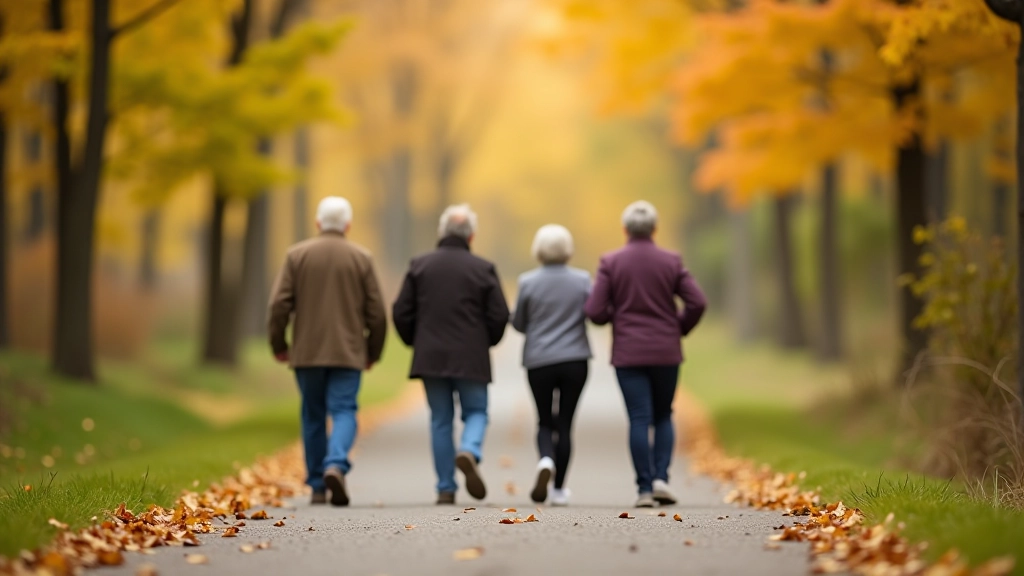
This might sound simple, but organized walking groups are genuinely popular and effective. Tartu's Emajõgi Greenbelt has dedicated senior walking groups that meet twice weekly. You're getting cardiovascular benefit, but you're also outdoors and socializing. It's walking with a community, not just exercise.
Routes are moderate — typically 3-4 kilometers over 45 minutes — so it's doable for most fitness levels. The pace is conversational, meaning you can actually talk while you walk. People stick with these groups because they become part of your routine and your social calendar, not just a fitness obligation.

Beyond regular classes, Tartu's health department and senior centers run occasional workshops on specific topics. You'll see things like nutrition for active aging, sleep quality, managing arthritis, and mental wellness. These aren't daily commitments — usually one session per topic — but they're informative and sometimes eye-opening.
Healthcare professionals typically lead these sessions. You're not getting generic advice; you're hearing from people who work with seniors regularly and understand the real challenges. The format's usually conversational, so you can ask questions relevant to your situation.
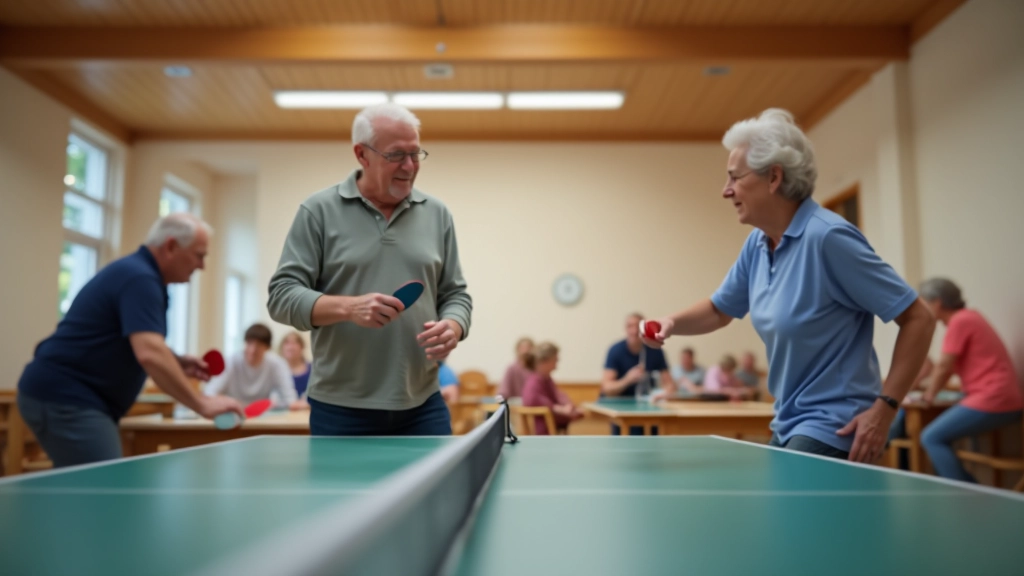
If you want something more specific — say, table tennis, badminton, or even bowling — Tartu has senior clubs for these activities. They're less formal than fitness classes but still organized. You show up, play with others at your level, and develop a regular group.
What's appealing here is the competitive element without pressure. You're playing for enjoyment and the challenge, not trying to win a tournament. It keeps your mind engaged while you're moving, which is better for overall wellness than repetitive exercise alone.
Kaseke, Raatuse, and Annelinn all publish current schedules online. Most have free introductory sessions or trial classes.
Don't sign up for a full month right away. Go once, see how it feels, talk to the instructor about your concerns or limitations.
If you have arthritis, high blood pressure, or other conditions, mention it. Good instructors will show you modifications specific to your needs.
One or two sessions per week is plenty to start. You can always add more as it becomes routine.
The reality is this: Tartu's wellness options for seniors are genuinely good right now. You're not limited to one gym or one program. There's variety — enough that you'll find something that fits your interests, schedule, and comfort level. The hardest part isn't finding options; it's choosing which one to try first. Start with whatever sounds most appealing, give it a few weeks, and see how it feels. You'll know pretty quickly if it's right for you. And if it isn't? There's always another program to explore. That's the advantage of having options.